Category: Uncategorized

  • The Best WhatsApp Shop Builder for Local Businesses in India

    If you run a local business in India – a kirana store, a bakery, a tiffin service, a medical shop, a salon, or any of the millions of neighbourhood businesses that keep this country running – you already know that WhatsApp is where your customers are.

    They message you to ask if something is available. They send you a voice note with their order. They screenshot your price list and forward it to their family group. They call you, you write it down, and somehow it all works.

    But it could work so much better.

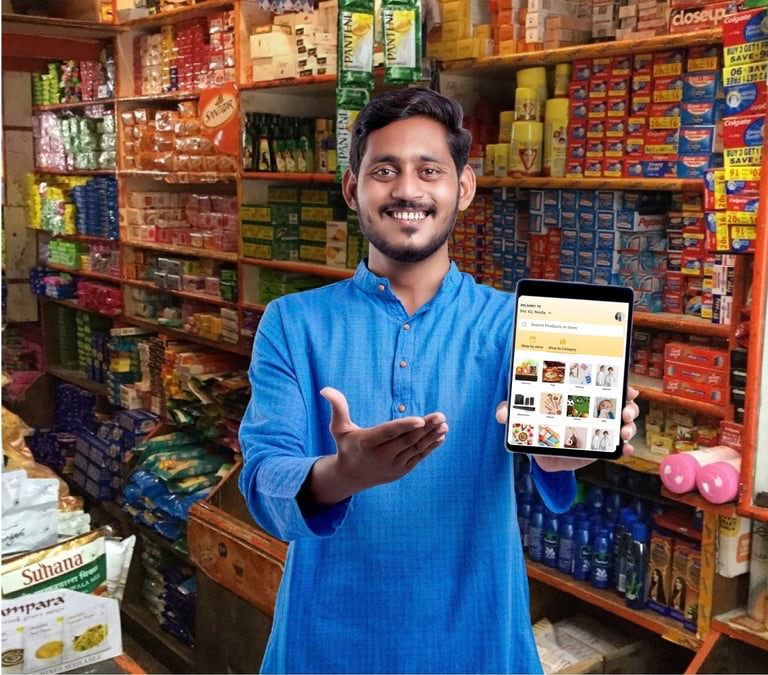
    chotu.com is a free WhatsApp shop builder for local businesses that gives you a proper digital catalog, a shareable store link, and an automatic order delivery system – all feeding directly into your existing WhatsApp number.

    No new app. No new device. No commission. No technical knowledge required.

    Just a smarter, faster, more professional way to do what you are already doing.

    What Is a WhatsApp Shop Builder?

    A WhatsApp shop builder is a tool that lets a business create a browsable digital product catalog and connect it to their WhatsApp number so that customer orders arrive as structured WhatsApp messages – automatically, clearly, and without the customer having to type out a long list or make a call.

    Instead of a customer sending you a voice note saying “bhaiya ek kilo atta, do packet biscuit, ek litre tel” and hoping you caught all of it, they browse your catalog, tap what they want, and the complete order arrives on your WhatsApp formatted and ready to action.

    It is the difference between taking orders like it is 2010 and taking orders like a modern business – without changing the tool your customers already use to talk to you.

    Why WhatsApp Is the Right Channel for Local Business Orders

    WhatsApp has over 500 million active users in India. It is the single most used app across every demographic, every income level, and every geography – from metro cities to small towns to rural areas.

    Your customers are already on WhatsApp. Your suppliers are on WhatsApp. You are on WhatsApp. The communication infrastructure is already there. The trust is already there. The habit is already there.

    What has been missing is structure.

    A WhatsApp shop builder adds structure to the WhatsApp relationship you already have with your customers – turning informal, error-prone conversations into clean, organised, actionable orders – without asking anyone to learn or adopt a new platform.

    This is exactly why a WhatsApp-native ordering system is more powerful for local businesses than a standalone app or a traditional e-commerce website. You are not asking your customers to go somewhere new. You are meeting them exactly where they already are.

    Why chotu.com Is the Best WhatsApp Shop Builder for Local Businesses

    There are a handful of tools in the market that claim to help local businesses sell on WhatsApp. But chotu.com is different in ways that matter deeply for small and neighbourhood businesses.

    It Is Completely Free to Get Started

    Most WhatsApp commerce tools charge a monthly subscription, a setup fee, or a per-order commission. For a local business operating on thin margins, these costs add up fast and eat into the very advantage you are trying to create.

    chotu.com is free to join. Free to build your catalog. Free to receive unlimited orders. There are no hidden charges, no trial periods that expire, and no commission deducted from your sales. Ever.

    Orders Come Directly to Your WhatsApp

    When a customer places an order through your chotu.com store, the complete order – item names, quantities, delivery address, and any special instructions – arrives on your WhatsApp as a neatly formatted message. You see it instantly. You action it the same way you action any WhatsApp message. Nothing changes in your workflow except that the order is now perfectly clear.

    Customers Discover You Automatically

    This is where chotu.com goes beyond a simple WhatsApp shop builder. It is also a hyperlocal discovery platform.

    When customers in your neighbourhood open chotu.com, they see a list of local shops near them sorted by location and category. Your shop appears in that list automatically once you are registered. This means chotu.com actively brings new customers to your WhatsApp store – customers who may not have known you existed before – without you spending a rupee on advertising.

    A standalone WhatsApp catalog does not do this. It only works for customers who already know your number. chotu.com gives you both – a shop for your existing customers and a discovery engine for new ones.

    No Commission on Any Order

    This point deserves its own paragraph because it is that important.

    Every major e-commerce platform, food delivery app, and quick commerce service in India takes a commission from every sale. This ranges from 10 percent to 35 percent depending on the platform and category. For a shop running on 8 to 15 percent margins, this commission doesn’t just reduce profit – it eliminates it.

    chotu.com takes zero commission on any order placed through your WhatsApp store. The full payment goes from your customer directly to you – in cash, UPI, or whatever you prefer. The platform earns through optional premium tools, not by taxing your every transaction.

    It Works for Every Type of Local Business

    chotu.com is built to serve the full diversity of India’s local business ecosystem. It is not built only for grocery stores or only for food businesses. It works equally well for:

    Kirana stores and general provision shops. Bakeries and sweet shops. Mutton shops and chicken centers. Tiffin services and home food providers. Medical shops and ayurvedic stores. Salons and dry cleaners. Tailors and carpenters. Florists and gift shops. Restaurants, biryani centers, and curry points. Dairy parlours and organic shops. Pest control services and catering businesses. And dozens more categories across food, services, retail, and healthcare.

    If you run a local business and your customers are on WhatsApp, chotu.com works for you.

    Setup Takes Less Than Five Minutes

    You do not need a developer. You do not need a designer. You do not need a computer. The entire setup – registering your shop, building your catalog, and going live with your WhatsApp store – can be completed on your smartphone in under five minutes.

    Add your shop name, category, and location. Upload your products with photos and prices. Share your store link with your customers. You are live.


    How to Build Your WhatsApp Shop on chotu.com

    Here is exactly how to get your local business set up as a WhatsApp shop on chotu.com:

    Step 1 – Register Your Shop Select shop type from below list on your phone or download the chotu Owner app. Enter your shop name, category, location, and WhatsApp number. Your account is created instantly.

    Step 2 – Edit Your Digital Catalog Add your products or services one by one or in bulk. Include photos, names, descriptions, and prices. You can organise products into categories to make browsing easy for your customers.

    Step 3 – Get Your Store Link Once your catalog is live, you receive a unique store link and QR code for your shop. This is your WhatsApp shop address – share it anywhere.

    Step 4 – Share With Your Customers Send your store link to your existing WhatsApp groups and contacts. Print your QR code and display it at your shop counter. Add it to your Instagram bio. Put it on your visiting card. Every customer who opens your link can browse and order instantly.

    Step 5 – Receive Orders on WhatsApp When a customer places an order, you receive a complete, formatted order message on your WhatsApp. Review it, confirm with the customer, prepare the order, and deliver or keep it ready for pickup – exactly as you always have.

    What Your Customers Experience

    When your customers visit your chotu.com store, they see a clean, professional catalog of everything you sell. They can search for specific items, browse by category, and add multiple items to their cart.

    When they place the order, they are not redirected to a payment gateway or asked to create an account. The order goes straight to your WhatsApp. They can then coordinate delivery, pickup, and payment directly with you over WhatsApp – the same way they always have, just without the back-and-forth of figuring out what to order.

    The experience is familiar, fast, and frictionless. And because customers do not need to create an account or share their number with the platform, many customers who would never sign up for a new app are perfectly comfortable ordering through chotu.com.

    Real Results for Real Local Businesses

    chotu.com currently has over 21 lakh local businesses listed across India – spanning every major city, hundreds of smaller towns, and a rapidly growing presence in Tier 2 and Tier 3 markets.

    Shop owners across categories report that having a digital catalog dramatically reduces the time spent taking orders over the phone, eliminates order errors that come from verbal communication, and brings in new customers who discovered the shop through chotu.com’s hyperlocal directory.

    For customers, the ability to browse a catalog before ordering means larger average order sizes – because seeing the full range of what a shop offers naturally leads to adding items they would not have thought to ask for otherwise.

    The Bottom Line

    If you are a local business owner in India looking for a WhatsApp shop builder that is free, requires no technical knowledge, charges zero commission, and actively helps new customers discover your business – chotu.com is the answer.

    It is not a replacement for the relationships you have built with your customers. It is the digital infrastructure that makes those relationships more efficient, more professional, and more profitable.

    Your customers are on WhatsApp. Your business should be too.

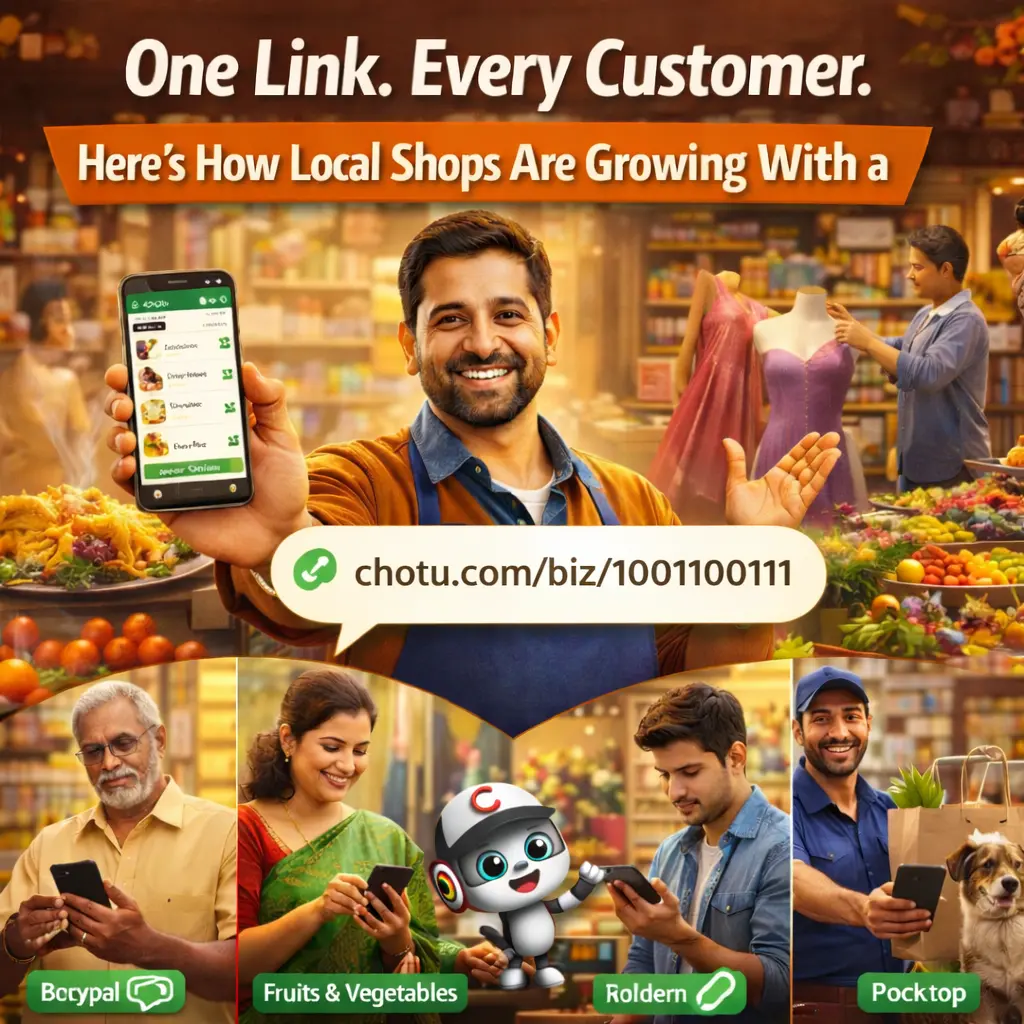
  • One Link. Every Customer. Here’s How Local Shops Are Growing With a Digital Catalog.

    The most useful thing about a digital catalog isn’t just that it helps new customers find you on Google. It’s that it gives you one link that does everything.

    Think about all the times a customer asks: “What’s your menu?” You send the link. “What are your timings?” You send the link. “Can you send me your price list?” You send the link. Your cousin wants to recommend your shop to someone. They send the link. A customer wants to share your biryani center with their office group. They send the link.

    One link. Every question answered. No more typing the same information into WhatsApp a dozen times a day.

    This is what shop owners across India are figuring out – from cafes and sweet shops to carpenters and catering services, from rice traders and sports shops to home foods businesses and hot chips stalls. A digital catalog isn’t just for getting new customers. It’s a tool that makes your everyday business operations smoother.

    And the cumulative effect of having that link out there – shared in WhatsApp groups, saved in people’s contacts, found on Google – is that over time, your customer base grows quietly and steadily. A new family moves in, finds you online. An old customer refers someone and sends your catalog link. A person visits your area for work, searches for a good place to eat or shop, and finds you.

    None of this requires you to do anything beyond creating the catalog once.

    chotu is built for exactly this – giving every local shop in India, in every category, a clean and professional digital catalog that works as a full-time sales tool.

    One link. Shared thousands of times. Growing your business while you focus on running it.

    That’s the idea. And it works.

  • Festival Season Is Coming. Is Your Shop Ready Online?

    Every year it’s the same story.

    Sankranti, Vijaya Dashami, Ganesh Chaturdhi, Diwali, Pongal, Onam, Holi – the orders start pouring in and shops are suddenly busier than they’ve been all quarter. Sweet shops are overwhelmed. Florists are scrambling. Gift shops can’t keep up. Caterers are booked out weeks in advance.

    And yet – every year – a large number of those bookings go to the shops that were easiest to find online. Not always the best shops. Just the most visible ones.

    Think about how people plan for festivals now. They don’t walk around the market a month in advance anymore. They sit at home, search for what they need, compare a couple of options, and call the one that looks most trustworthy and professional. This happens weeks before the festival. Sometimes months before, for big orders.

    If your shop doesn’t have a digital catalog – something that shows up when people search, something they can share with family members who are co-planning the festival shopping – you’re missing the early wave. And the early wave is where the big orders are.

    A digital catalog lets you show your festival specials. Your pricing. Your order deadlines. Your delivery options. Your contact number for bulk inquiries. All in one place, shareable with a single link.

    chotu makes this possible for sweet shops, florists, gift shops, home foods businesses, catering services, bakeries, dry fruits shops, and every other category that sees a spike around the festive season.

    The next festival is closer than you think. Set up your catalog now, while there’s still time to capture those early planners.

    Your regulars will find you either way. It’s the new customers – the ones planning and searching online right now – that a digital catalog brings in.

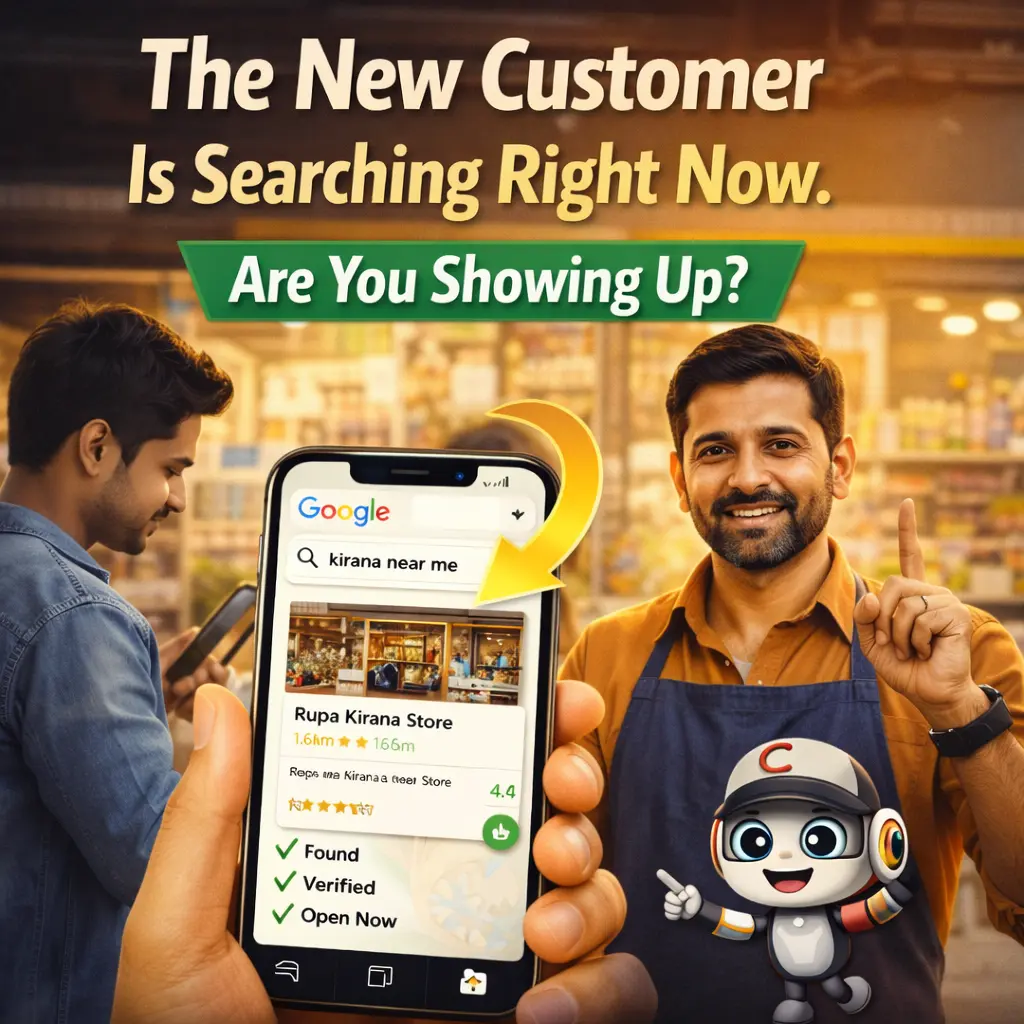
  • The New Customer Is Searching Right Now. Are You Showing Up?

    Here’s a small experiment. Take out your phone. Search for the kind of shop you run – “kirana near me” or “sweet shop in Miyapur” or “good salon close to me.”

    What do you see?

    If your shop isn’t in those results, someone else’s is. And that someone else just got a customer that could have been yours.

    This isn’t about big companies or e-commerce giants taking over. This is about the shop two streets away from you that bothered to put their information online – and is now getting walk-ins from people who moved into the area last month, people who were visiting from another neighbourhood, people who didn’t know anyone to ask for a recommendation.

    Search has become the new word of mouth. When people move somewhere new, they don’t know anyone to ask. When young people want something, they don’t ask their parents – they Google it. When someone’s in a hurry, they search, pick the first decent result, and go.

    The good news? Getting into those results doesn’t require a fancy website or a social media team. A clean, well-made digital catalog is enough. One page that says: here’s who we are, here’s what we sell, here’s how to reach us, here’s when we’re open.

    That’s it. That’s all it takes to be findable.

    chotu is built specifically for Indian local businesses – cafes, restaurants, bakeries, chicken centers, dairy parlours, medical shops, gift shops, pest control services, and 30+ other categories. It lets you create a professional digital catalog quickly, without needing to know anything about websites or coding.

    The customer who’s searching right now won’t wait for you to figure it out later.

    Be there now.

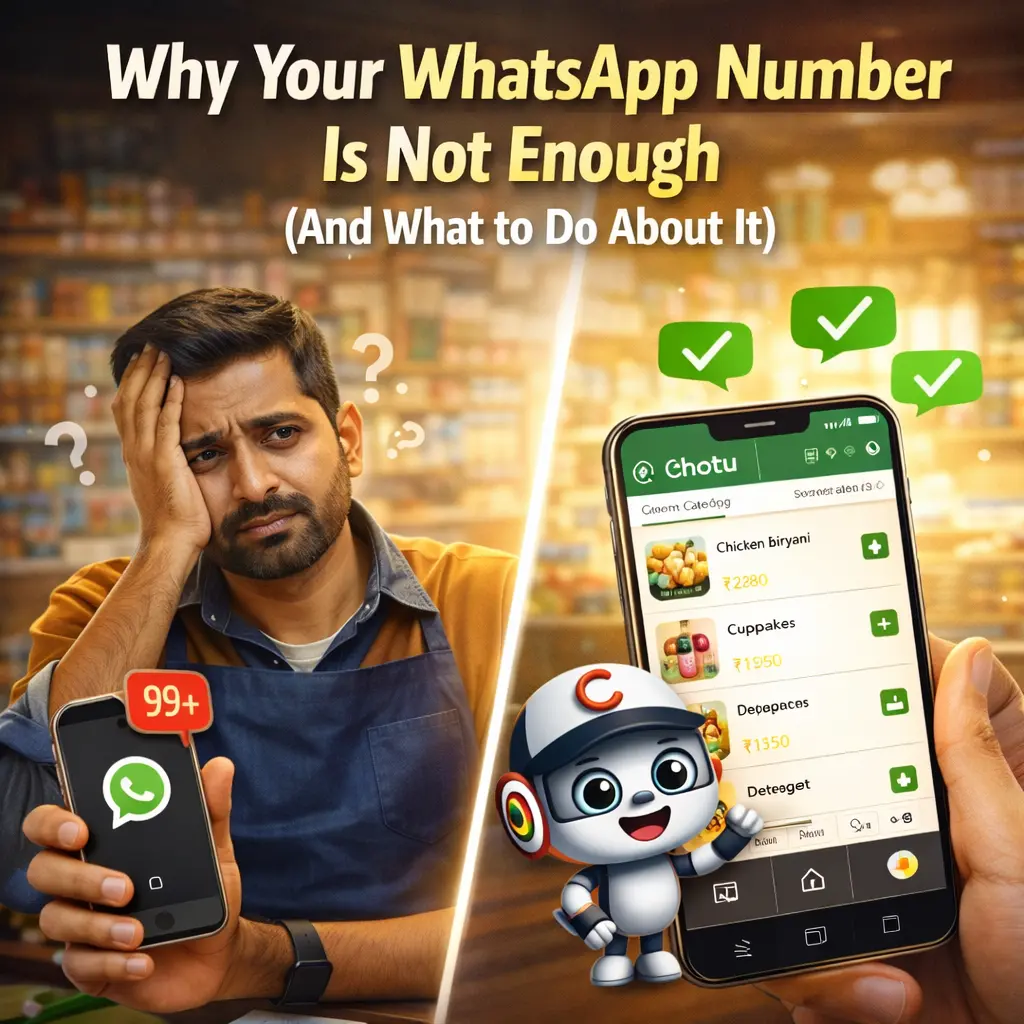
  • Why Your WhatsApp Number Is Not Enough (And What to Do About It)

    You’ve got your shop name painted on the wall. Your WhatsApp number is right there, big and bold. Customers who need you can call. What more do you need?

    Actually – quite a bit more.

    Here’s the thing about a WhatsApp number. It’s an invitation to a conversation. And conversations are great, but they have one big limitation: both people need to be free at the same time.

    Your customer might be browsing at 11pm, trying to figure out where to order from tomorrow. They’re not going to WhatsApp you at midnight. But they will visit your digital catalog, check your menu, look at your prices, save your number – and message you in the morning ready to order.

    Or imagine this: someone new moves into your area. They don’t know anyone who can recommend your shop. They open Google and search for what you sell. Your WhatsApp number on a wall isn’t going to help them. But a digital catalog with your shop name, your location, your offerings, and your contact details? That shows up. That gets clicked.

    A digital catalog works while you sleep. It answers questions before they’re even asked. It tells the customer everything they need to know – your menu, your prices, your timings, your specialties – without requiring you to type a single reply.

    Think of it this way. WhatsApp is for people who already know you. A digital catalog is for people who haven’t found you yet.

    And there are a lot of people who haven’t found you yet.

    chotu helps you build that catalog in minutes – whether you run a salon, a fish shop, a flour mill, a catering service, or anything in between. It’s not complicated. It’s just smart.

    Give your WhatsApp number somewhere to send people to first.

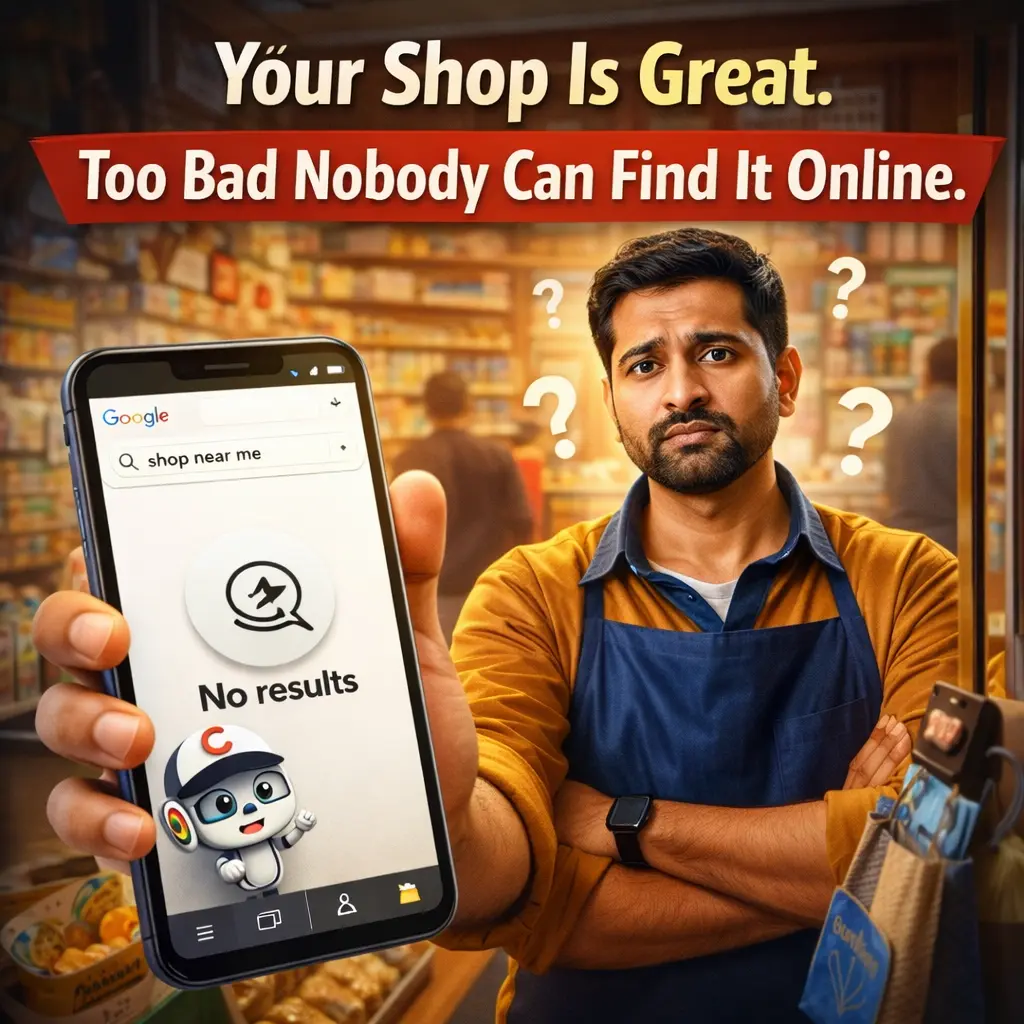
  • Your Shop Is Great. Too Bad Nobody Can Find It Online.

    Let’s be honest for a second.

    You wake up early. You open your shop. You serve your customers well. Your regulars love you. Your product is good – maybe even great. And yet, at the end of the day, you wonder why business isn’t growing as fast as it should.

    Here’s something worth thinking about: when was the last time a completely new customer walked in and said, “I found you online”?

    If you’re drawing a blank, you’re not alone. Most local shop owners in India – kirana shops, salons, bakeries, restaurants, tailors, medical shops, sweet shops – are in exactly the same position. They’re running great businesses that are practically invisible on the internet.

    And that’s a problem. Because your next customer isn’t going to walk past your shop by accident. They’re going to pick up their phone and search.

    They’ll type “bakery near me” or “tailor in [your area]” or “good biryani center close to me.” And if you don’t show up, they’ll go to whoever does. Simple as that.

    This is where a digital catalog changes everything.

    A digital catalog is basically your shop – your products, your prices, your timings, your contact details – put online in a clean, shareable format. Not a website that takes months to build. Not an app. Just a clear, professional page that tells people who you are and what you offer.

    chotu makes this easy for shop owners across 40+ categories – from cafes and dry-cleaning shops to astrologers and organic stores. You fill in your details, and your catalog is ready to share.

    No tech skills needed. No big investment. Just your shop, finally findable.

    Because being great at what you do is only half the job. The other half is making sure people can find you.

  • Sell More. Hassle Less. Grow Your Shop on WhatsApp with chotu.

    Whether you run a biryani center, a kirana store, a salon, or a sweet shop – there’s one question every local merchant faces today: how do I get more customers without spending a fortune?

    The answer is already in your pocket. WhatsApp.

    And with chotu, you can create a beautiful digital catalog and start receiving orders on WhatsApp – for free, with zero commission.

    Your Shop Is Great. But Can Customers Find You?

    You wake up early. You prepare fresh stock. You offer good prices and honest service. But when a customer in your own neighborhood wants what you sell, they either forget your number – or order from someone else who has a neat, shareable catalog.

    This is the reality for millions of local merchants across India today:

    • Cafe owners sending daily menu photos one by one.
    • Mutton shop and fish shop owners answering “what’s fresh today?” fifty times a morning.
    • Tailors and boutique owners struggling to show their designs over chat.
    • Kirana owners losing regulars to quick-commerce apps.
    • Sweet shops and bakeries with no way to take pre-orders for festivals.
    • Astrologers, ayurvedic shops, and loan services with no way to share their offerings professionally.

    The problem isn’t your product. The problem is visibility. And chotu fixes that.

    What Is chotu?

    chotu is a simple tool that helps local merchants – from pan shops to dental clinics, from rice traders to pest control services – create a digital product and service catalog and share it directly on WhatsApp.

    No website needed. No app for your customer to download. No technical skills required. If you can use WhatsApp, you can use chotu.

    How It Works in 3 Steps

    Step 1: Create Your Digital Catalog

    Add your items or services with photos, names, and prices. Whether you sell 5 things or 500 – your catalog is clean, organized, and easy to browse. A biryani center can list all their varieties. A dry fruits shop can show today’s rates. A florist can display their bouquet packages. A carpenter can showcase their furniture work. Everything in one place.

    Step 2: Share Your Catalog Link on WhatsApp

    chotu gives you a unique link for your catalog. Share it in your WhatsApp status, send it to your regular customers, post it in your colony group, or print it on your shop board. Anyone who taps the link sees your full catalog instantly – no sign-up, no download, no friction.

    Step 3: Receive Orders Directly on WhatsApp

    Customers browse your catalog, pick what they want, and send you the order directly on WhatsApp. You get a clear, ready-to-act order message. No middleman. No commission. You confirm, prepare, and deliver – completely on your terms.

    Built for Every Kind of Local Business

    chotu works for the full range of Indian local commerce. Here’s how different merchants are using it:

    Food & Restaurants: Biryani centers, chicken shops, fish shops, mutton shops, bakeries, breakfast joints, home food makers, restaurants, curry points, fast food stalls, chat bhandars, hot chips counters, and catering services are using chotu to share daily menus, take pre-orders, and reduce waste. Customers know what’s available before they even leave home.

    Kirana & Daily Needs: Kirana stores, dairy parlours, rice traders, flour mills, fruits and vegetable vendors, organic shops, and pickle shops are sharing their stock and rates on WhatsApp. Customers from the colony send their shopping list, and delivery happens within the neighborhood – no delivery app needed.

    Health & Wellness: Medical shops, ayurvedic shops, nutritionists, and dental clinics are listing their products, services, and consultation packages. Customers can browse and enquire without the awkwardness of walking in just to ask for prices.

    Beauty & Personal Care: Salons and dry cleaning businesses are displaying their full service menus with prices and photos. Customers book appointments or drop off clothes by simply messaging after browsing the catalog.

    Trades & Services: Tailors, carpenters, pest control services, and caterers are showcasing their work and packages. A tailor can display fabric options and rates. A carpenter can show past projects. A caterer can share full event menus with per-plate pricing.

    Specialty & Niche Shops: Dry fruits shops, gift shops, pet shops, florists, sports shops, stationery stores, sweet shops, pan shops, and even astrologers and loan services are creating professional catalogs that build trust with customers before the first conversation even begins.

    Why WhatsApp? Why Now?

    Over 500 million Indians use WhatsApp every single day. It’s not just a messaging app – it’s where families coordinate, neighbors share news, and increasingly, where people discover and order from local businesses.

    Unlike Swiggy, Zomato, or any delivery aggregator, WhatsApp doesn’t take a commission from your orders. Unlike Instagram or Facebook, your customers don’t need to follow you or see an algorithm-filtered post. You send them your link directly, they browse your catalog directly, and they order from you directly.

    The relationship stays between you and your customer. That’s powerful.

    What Merchants Are Saying

    “Before chotu, I used to send photos one by one in WhatsApp. Customers got confused, prices were wrong, I was wasting two hours every day answering the same questions. Now I just send my catalog link – and orders come automatically. My biryani sales went up 40% in the first month itself.” – Rameez Bhai, Biryani Center, Hyderabad

    “I’m a tailor. I never thought I needed any digital thing. But my neighbor’s son helped me set up chotu in one evening. Now my catalog shows all my dress designs, fabrics, and prices. Girls from nearby colonies message me directly. Business is booming especially during festival season.” – Lakshmi Aunty, Boutique & Tailoring, Secunderabad

    “My kirana has everything – but customers don’t know. After I shared my chotu catalog in the colony WhatsApp group, people started ordering rice, oil, pulses – everything from me. Home delivery within 500 meters. No app, no commission. Just pure profit.” – Suresh Kumar, Kirana Merchant, Vijayawada

    5 Tips to Get More Orders with Your chotu Catalog

    Pin your link in your WhatsApp status every morning. Your daily customers will see it, share it with family, and new customers will discover you. Add a fresh photo from your shop to build trust.

    Print your catalog QR on your shop board. A simple “Order on WhatsApp QR on a flex board outside your shop brings in customers even when you’re busy inside.

    Share your link in your colony or area WhatsApp groups. A polite introduction with your catalog and a small opening offer can bring dozens of new customers overnight.

    Update your catalog regularly. Change prices when needed, add seasonal specials, mark sold-out items. Customers who see a live, updated catalog trust you more and order more often.

    Offer a small WhatsApp-order discount. Even ₹10 off on orders above ₹200 trains customers to use your catalog. It costs you far less than any advertisement.

    Zero Commission. Zero Complexity. Zero Excuses.

    chotu was built for the merchants who are the backbone of every Indian neighborhood – the anna who runs the kirana, the aunty who makes home food, the bhai at the chicken center, the uncle at the medical shop. People who work hard every day and deserve tools that work just as hard for them.

    No commissions taken from your orders. No website to maintain. No app for your customer to install. Just your shop, your catalog, your customers – and WhatsApp, which everyone already has.

    If you can describe what you sell, you can build your catalog today.

    Get started with chotu – free. Your neighborhood is waiting.

  • How Local Shops Can Create a Digital Catalog, Install the App & Start Selling on WhatsApp with chotu

    If you run a cafe, dry cleaning store, salon, kirana shop, mutton shop, tailoring unit, astrology service, ayurvedic store, bakery, biryani center, breakfast center, chicken center, restaurant, carpentry service, catering service, chat bhandar, curry point, dairy parlour, dental clinic, dry fruits shop, fast food center, fish shop, florist, flour mill, fruits and vegetables store, gift shop, home foods, hot chips store, loan service, medical shop, nutrition practice, organic store, pan shop, pest control service, pet shop, pickles shop, rice trading business, sports shop, stationery store, or sweet shop

    this guide is for you.

    Today, customers don’t just walk in.

    They search, click, compare, and message on WhatsApp.

    If you’re not online, you’re invisible.

    The good news?

    You don’t need a complicated website.

    You need a simple digital catalog + WhatsApp selling system.

    That’s exactly what chotu helps you do.

    Why Every Local Business Needs a Digital Catalog

    Your digital catalog works like:

    • Your online menu
    • Your product display
    • Your service list
    • Your 24/7 salesman

    Whether you sell:

    • Coffee & snacks
    • Fresh mutton & chicken
    • Medicines
    • Flowers
    • Tailoring services
    • Dental treatments
    • Sweets & bakery items
    • Kirana products

    Customers want to:

    • See what you offer
    • Check availability
    • Message instantly
    • Order quickly

    A digital catalog removes confusion and increases trust.

    Step 1: Create Your Store on chotu

    Step 1: Create Your [Store Type] Online Store on chotu

    Visit owner.chotu.com/sell-online.

    In a few simple steps, you’ll have your digital profile ready:

    • Add your store name and mobile number.
    • Use pre-built menu or add your products/services with short descriptions.

    That’s it.

    No technical knowledge required.

    Step 2: Add Your Products or Services

    You can list:

    For Food Businesses

    • Cafe menu items
    • Biryani & curry combinations
    • Breakfast items
    • Fast food
    • Sweets & bakery products
    • Home food specials

    For Retail Shops

    • Kirana products
    • Dry fruits
    • Organic groceries
    • Fruits & vegetables
    • Stationery items
    • Sports goods
    • Gift items

    For Meat & Fresh Stores

    • Mutton cuts
    • Chicken options
    • Fish varieties

    For Service Businesses

    • Salon services
    • Dry cleaning packages
    • Tailoring services
    • Pest control services
    • Catering menus
    • Astrology consultations
    • Dental treatments
    • Nutrition plans
    • Loan services

    Just add clear names and short descriptions.

    Your catalog is ready to share.

    Step 3: Install the App

    After creating your store:

    • Install the chotu seller / owner app
    • Login with your registered number
    • Manage orders directly from your phone

    You can:

    • Update products anytime
    • Add new items
    • Share your catalog link instantly
    • Respond to customers in seconds

    Your shop becomes portable.

    Step 4: Start Selling on WhatsApp

    This is where the real magic happens.

    Instead of saying:

    “Call and ask what we have.”

    You send your catalog link on WhatsApp.

    Customers:

    • Open your link
    • Browse items
    • Message you directly
    • Place orders faster

    You can:

    • Share in WhatsApp groups
    • Post on status
    • Send to regular customers
    • Print QR code in store

    Your offline customers become online buyers.

    How Different Businesses Benefit

    • Cafe & Restaurants → Share daily specials instantly
    • Kirana & Organic Stores → Show available stock clearly
    • Mutton, Chicken & Fish Shops → Display fresh cuts
    • Sweet Shops & Bakeries → Highlight festival collections
    • Medical Shops → List available categories
    • Salons & Tailors → Show service options
    • Pest Control & Carpenters → Explain packages
    • Catering Services → Display menu combinations
    • Gift & Florist Shops → Show occasion collections

    No more repeated explanations.

    Just share your digital catalog.

    Why WhatsApp Selling Works

    Because customers are already there.

    You don’t need to teach them anything.

    They:

    • Click
    • Browse
    • Message
    • Order

    Fast response = higher conversion.

    What Happens After 30 Days?

    If you consistently:

    • Share your catalog daily
    • Update new items
    • Post on WhatsApp status
    • Respond quickly

    You’ll start seeing:

    • Repeat customers
    • Direct inquiries
    • Faster decision-making
    • More trust

    Digital visibility increases footfall too.

    Final Reality for Local Merchants

    Digital is not only for big brands.

    If you run:

    Cafe, Dry-Cleaning, Salons, Kirana, Mutton-Shop, Tailors, Astrologers, Ayurvedic-Shops, Bakery, Biryani-Center, Breakfast, Chicken-Center, Restaurant, Carpenters, Catering-Services, Chat-Bhandar, Curry-Point, Dairy-Parlour, Dental-Clinics, Dry-Fruits-Shop, Fast-Food, Fish-Shop, Florist, Flour-Mill, Fruits-and-Vegetables, Gift-Shop, Home-Foods, Hot-Chips, Loan-Services, Medical-Shop, Nutritionists, Organic-Shop, Pan-Shop, Pest-Control-Services, Pet-Shop, Pickles-Shop, Rice-Traders, Sports, Stationery, Sweet-Shops –

    You can start selling online in minutes.

    No coding.

    No complicated setup.

    Just create your digital catalog, install the app, and sell on WhatsApp with chotu.

    If you want, I can also create:

    • Category-specific catalog examples
    • WhatsApp promotion templates
    • 30-day growth plan for your store type
    • Local ad copy for your business

    Tell me your business category.

  • The Day Suresh Stopped Answering His Phone – And His Orders Doubled

    WhatsApp Ordering: Why the Future of Local Delivery Is Already Here

    Suresh has been running his tiffin service in Bangalore’s Koramangala for eleven years.

    For most of those eleven years, his mornings looked like this: wake up at 5 AM, start cooking by 5:30, and spend the next two hours with a phone pressed between his ear and shoulder – taking orders, repeating menu items, confirming addresses, and asking “aap ka naam?” for the fifteenth time before 8 AM.

    By the time the actual delivery started, Suresh was already exhausted. He’d missed three orders because the calls came when his hands were covered in masala. He’d made two wrong deliveries because he’d scribbled an address incorrectly while stirring dal. His wife had stopped talking to him during morning hours because he was always on the phone.

    Then, six months ago, a customer asked him: “Suresh bhai, WhatsApp pe order nahi le sakte?”

    He thought about it for a week. Then he set it up.

    Today, Suresh’s phone doesn’t ring before 8 AM. Orders come in silently, organized, with the customer’s name, address, and items already written out. He cooks with both hands. He hasn’t missed an order in four months. And he serves 40% more customers than he did before – because the ordering friction is gone.

    This is not a technology story. This is a story about what happens when you make it effortless for people to buy from you.

    Why Phone Calls Were Always the Problem

    Think about the last time you called a local shop to place an order.

    You waited for someone to pick up. You repeated your order twice. You weren’t sure if they wrote it down correctly. You had no confirmation. You called back an hour later to check. And somewhere in that process, you either got frustrated and ordered elsewhere – or you told yourself next time you’d just go in person.

    That friction – small as it seems – is the reason local businesses lose customers every single day to apps and chains that have made ordering feel effortless.

    The phone call model was never good. It was just the only option we had.

    WhatsApp changed that. Not because it’s a revolutionary technology – but because everyone already has it, everyone already knows how to use it, and it removes every single point of friction that a phone call creates.

    Priya’s Pickle Shop: From Neighbourhood Secret to Pan-City Business

    Priya makes achaar. The real kind – her grandmother’s recipes, slow-fermented, no preservatives. She sells it from a small stall in Hyderabad’s Mehdipatnam and has a small but devoted following of customers who drive from across the city just to buy from her.

    For years, out-of-area customers would call her, struggle to explain where they lived, and eventually give up on getting a delivery. Priya didn’t have the bandwidth to manage order logistics over calls while also running her stall.

    When she switched to WhatsApp ordering through chotu, something unexpected happened.

    Her existing customers started forwarding her chotu link to friends. Those friends placed orders from Jubilee Hills, Gachibowli, Secunderabad – places Priya had never delivered to. Because the order came in with the address already typed out, she could simply check if it was feasible, confirm with a thumbs up, and arrange delivery.

    Within three months, 60% of Priya’s orders were coming from customers she had never met in person. People who found her through a WhatsApp forward, placed an order through a link, and became loyal monthly buyers of three or four varieties each.

    “Pehle main sirf unhe bech sakti thi jo mere paas aa sakte the,” she says. “Ab main unhe bhi bech sakti hoon jo mujhe dhundh nahi sakte the.”

    What WhatsApp Ordering Actually Changes

    Here is what most local business owners don’t realize until they’ve lived it:

    It changes when customers order. On a phone call, customers order when it’s convenient for them to talk – and when it’s convenient for you to answer. That window is narrow. On WhatsApp, customers order at 11 PM when they remember they need milk in the morning. They order at 2 AM when they’re planning next week’s groceries. They order in a meeting when they can’t speak – because they can just type. Your business becomes available at every moment of impulse, not just during calling hours.

    It changes how much they order. When someone calls, they order what they came to say. When someone browses a catalogue on WhatsApp, they see the mango pickle and remember they wanted to try it. They add the lemon one too. They see the combo offer. Average order values go up – not because you pushed them, but because the catalogue reminded them.

    It changes how often they return. A phone call leaves no trace on the customer’s end. A WhatsApp conversation stays in their chat forever. When they need to reorder, they just scroll up, see what they ordered last time, and message again. The friction of “what was that shop’s number?” disappears. Repeat orders become the path of least resistance.

    It changes who can order from you. People who are hard of hearing. People who are shy. People who don’t speak your language fluently. People who are in a noisy office and can’t make a call. People with anxiety about phone calls – a surprisingly large group. WhatsApp ordering opens your business to customers who were previously excluded by the phone call model.

    Mohammed’s Mutton Shop: The Eid Story

    Mohammed runs a mutton shop in Pune’s Camp area. Every year before Eid, he would spend the days leading up to the festival in a state of controlled chaos – calls flooding in, his teenage son pressed into service as a makeshift order-taker, bookings getting confused, some customers arriving to find their order wasn’t ready.

    Last year was the first Eid after he set up WhatsApp ordering with chotu.

    He opened pre-booking ten days before Eid. Customers sent their orders via WhatsApp – the cut they wanted, the quantity, the pickup time. Mohammed had a clean, organized list. He knew exactly how much stock to procure. He knew exactly which hours would be busiest. His son spent the day helping with actual work instead of managing a phone.

    On Eid morning, when the rush came, Mohammed was ready. Zero confusion. Zero double bookings. Every customer got exactly what they’d ordered. Three customers who’d had chaotic experiences in previous years messaged him to say it was the smoothest Eid purchase they’d ever made.

    He took 30% more orders than the previous year – not because there were more customers, but because the ordering system could handle more without breaking.

    The Myth of “My Customers Aren’t Like That”

    The most common thing local business owners say when they hear about WhatsApp ordering is: “Mere customers aisa nahi karte. They prefer to call.”

    Here’s a question worth sitting with: Do they prefer to call – or do they call because that’s the only option you’ve given them?

    Ramesh, a stationery shop owner in Chennai, was certain his customers – mostly schoolchildren and their parents – wouldn’t use WhatsApp ordering. He set it up anyway, skeptically, because his nephew insisted.

    The first week, nothing. The second week, a few orders. By the end of the first month, a mothers’ group from a nearby school had discovered his catalogue, shared it in their school WhatsApp group, and he had 23 new customers ordering stationery supplies for the semester – people who would never have thought to call a stationery shop for delivery.

    Customers don’t know to want something until they know it’s possible. When you make it possible, they embrace it faster than you’d expect.

    Setting Up WhatsApp Ordering: Simpler Than You Think

    The technical part takes less time than reading this article. With chotu:

    You upload your items – a photo, a name, a price. That’s your catalogue. Customers click your link, browse, tap what they want, and send the order. It arrives in your WhatsApp as a clean, organized message. You confirm. You prepare. You deliver or keep ready for pickup.

    There are no apps to download. No dashboards to master. No monthly fees that don’t make sense for a local shop. Just a link – your link – that you put everywhere, and orders that come to you instead of you chasing them.

    The hardest part of setting up WhatsApp ordering is deciding to do it. The doing itself takes an afternoon.

    Where Local Business Is Going

    In five years, the local businesses without WhatsApp ordering will be in the same position as the ones without a phone number were twenty years ago. Not invisible – but at a serious, structural disadvantage compared to neighbours who made the switch.

    The businesses that made the switch early didn’t do it because they saw the future clearly. They did it because one customer asked, or one slow month pushed them to try something new, or they saw a competitor get busier and wondered why.

    Suresh still wakes up at 5 AM. He still makes the best dal in Koramangala. But he does it now with both hands free, phone silent, orders organized, and a business that has grown – not because he worked harder, but because he made it easier for people to say yes.

    That’s what WhatsApp ordering does.

    It doesn’t change your product. It just removes every reason a customer might have for not buying it.

  • Kavitha Came In Every Week for Two Years. Then She Just… Stopped.

    Why Customers Don’t Return – And the Simple Fixes That Bring Them Back

    Kavitha was Anand’s best customer.

    Every Saturday morning, she’d walk into his bakery in Chennai’s Adyar, buy a loaf of brown bread, two croissants, and – on good weeks – a whole pound cake. She’d been doing this for two years. Anand knew her by name. She knew his daughter had started school. It felt less like a transaction and more like a weekly ritual.

    Then one Saturday, she didn’t come. Then another. Then a month passed. Then three.

    Anand didn’t think much of it at first. Customers come and go. Life gets busy. Maybe she’d moved. Maybe she was dieting.

    Eight months later, he ran into her at a traffic light near the bakery. He waved. She waved back, smiled, and drove on.

    That evening, Anand lay awake wondering: Why did she stop? Was it something I did? Was it my bread? Did I say something wrong?

    He never found out. And that uncertainty – that not-knowing – is the quiet cost every local business pays when a loyal customer disappears without a word.

    The Uncomfortable Truth About Customer Churn

    Here’s something most business owners don’t want to hear: most of the time, when a loyal customer stops coming, it has nothing to do with your product.

    Research on customer behavior tells us that the top reasons people stop buying from a local business are:

    They forgot about you. They found a more convenient option. They had one small, unresolved bad experience that they never mentioned. They felt like just another transaction, not a person.

    Notice what’s not on that list: bad product. Poor quality. Wrong price. High competition.

    The product is almost never the reason. The relationship – or the lack of one – almost always is.

    And this is both the hard truth and the hopeful one: because relationships can be built, maintained, and repaired. You have more control over this than you think.

    Deepa’s Salon and the Thank-You That Changed Everything

    Deepa runs a small beauty parlour in Jaipur’s Vaishali Nagar. She’s good at her work – excellent, in fact. Her customers leave happy. But for years, her regulars would come for four or five sessions and then gradually drift away, replaced by new faces who would eventually drift away too. The door was always revolving.

    One afternoon, on a whim, she sent a WhatsApp message to a customer who hadn’t been in for two months: “Hi Sunita ji, just wanted to say it was lovely having you. Hope everything is well with you and the family. Agar kuch chahiye toh bataiye.”

    Sunita replied within twenty minutes. “Deepa didi! Main aane wali thi – bas time nahi mila. Kya kal appointment mil sakti hai?”

    She came the next day. She brought her sister. Both became regulars.

    Deepa has since sent that same simple message – warm, personal, no sales pitch – to dozens of customers who had gone quiet. Her response rate is over 60%. More than half of the customers she reaches out to come back within two weeks.

    The message doesn’t sell anything. It doesn’t offer a discount. It just says: I noticed you. You matter here.

    That’s all most customers need to hear.

    The Moment a Customer Decides Never to Return

    Here’s the thing about the moment a customer decides to stop coming: you almost never see it.

    It doesn’t happen with a dramatic argument or a formal complaint. It happens quietly, in a small moment that the customer experiences as mildly unpleasant – and then never mentions to you.

    Ravi runs a kirana store in Mumbai’s Malad East. He lost one of his best monthly grocery customers – a family that spent ₹4,000–5,000 with him every month – because of a single interaction that took eleven seconds.

    The father had asked one of Ravi’s helpers where a particular spice was kept. The helper, distracted, pointed vaguely and said “udhar hai.” The father found it after five minutes of searching. He said nothing. He paid. He left. He never came back.

    Did he complain? No. Did he tell Ravi? No. Did he tell his wife? Yes. And his wife decided they’d try the new supermarket that had opened nearby.
    Ravi never knew. He noticed the family was gone after two months and assumed they’d moved.

    This is how most customer loss happens – not in a blaze, but in a slow fade triggered by a forgettable moment that the business never knew about.

    Why Customers Don’t Tell You When Something Is Wrong

    If you’ve ever wondered why unhappy customers don’t just say something, the answer is simple: it doesn’t feel worth the effort.

    Giving feedback to a local business requires confrontation – even mild confrontation – and most people avoid it. The mental calculation goes like this: “It wasn’t a big deal. I don’t want to make it awkward. I’ll just not come back.”

    And then they don’t.

    This means that for every customer who tells you about a bad experience, there are eight or ten who said nothing and quietly took their business elsewhere. The ones who complain loudly are, paradoxically, your best customers – because they still care enough to want things to be better.

    The silent ones are already gone.

    The only way to access that silent majority is to proactively ask – before they’ve already made up their mind.

    Fatima’s Dairy Parlour: The Magic of the Follow-Up Message

    Fatima runs a dairy parlour in Lucknow, selling milk, paneer, ghee, and curd to about 200 regular households. She had a dropout problem – every month, she’d gain 15 new customers and lose about 12 old ones. The business grew slowly, but it felt like filling a leaking bucket.

    A friend suggested she send a simple check-in message to any customer who hadn’t ordered in three weeks.

    She started with a batch of 30 customers. The message was short: “Salaam, [Name] ji. Aapka koi order nahi aaya kuch dino se – sab theek hai? Koi pareshani ho toh zaroor bataiye.”

    Of the 30, nineteen replied. Six had simply forgotten to reorder. Five had experienced a minor issue – a late delivery, once-sour curd – that they’d never mentioned. Four had switched to another supplier but were open to coming back. Four didn’t respond.

    Fatima fixed the issues that the five had mentioned. All five returned. The six who’d forgotten reordered that week. Two of the four who’d switched came back when she offered to let them try a free week’s worth of product.

    In three weeks, she recovered 13 of 30 lost customers. By repeating this process monthly, her dropout rate dropped from 12 per month to 4. The bucket stopped leaking.

    The follow-up message cost her nothing. It just required her to notice – and to reach out.

    The Five Real Reasons Customers Don’t Return (And What To Do)

    1. They forgot you exist.

    Not because they don’t like you – because life is busy and out of sight is out of mind. Fix: Send a WhatsApp status update every few days. Feature your daily special, a new item, a customer photo. Stay present in their feed without being pushy. You can’t be forgotten if you keep showing up.

    2. One small thing went wrong and they never said anything.

    A slightly wrong order. A longer wait than expected. A rude moment from a staff member. Fix: Send a follow-up message after every order. “Sab sahi mila? Koi problem toh nahi?” Create a safe, low-friction channel for feedback. Most people will use it – and a resolved complaint creates a more loyal customer than one who never had a problem at all.

    3. A competitor offered more convenience.

    Not a better product – just a more convenient way to order or receive. Fix: Make your own experience as frictionless as possible. Online ordering, WhatsApp catalogue, easy payment options, doorstep delivery. The more convenient you are, the less attractive the competition looks.

    4. They never felt like more than a transaction.

    They came. They paid. They left. Nobody knew their name. Nobody asked how the party went, whether the cake was a hit, whether the spice was what they needed. Fix: Remember small things. A customer’s name. Their usual order. A detail from last time. Note it in your phone if you have to. “Woh aloo ki mithai jo pichli baar li thi – woh phir banao kya?” That one sentence is worth more than any discount.

    5. You ran a great experience once – and then got inconsistent.

    The first visit was excellent. The second was average. The third was forgettable. Customers don’t average experiences – they anchor on the worst one and assume that’s the new normal. Fix: Build checklists and systems for your most important touchpoints. The thing that made your first impression great must be reproducible every single time.

    Anand’s Bakery: The Ending of the Story

    Remember Anand, whose loyal customer Kavitha stopped coming?

    After that late-night encounter at the traffic light, Anand decided to do something he’d never done before. He went through his past order records and made a list of every customer who had been a regular and then gone quiet in the last year. Thirty-two names.

    He sent each of them a short WhatsApp message – no offer, no discount, just a warm note. “Hi [Name], Anand here from the bakery. Just realised it’s been a while since we’ve seen you. Hope you’re well. Whenever you’re passing by, do come say hello.”

    Kavitha was on the list.

    She replied within an hour. She’d stopped coming after a Saturday when the croissants had run out early and she’d made a special trip. She hadn’t said anything because she “didn’t want to be difficult.” But it had stuck.

    Anand apologized. He told her he now kept a reserve batch every Saturday until noon. He asked if she’d like to order in advance next week.

    She did. She’s been coming every Saturday again for the last four months.

    Thirty-two messages. Nineteen replies. Eleven customers came back within a month.

    The cost of sending those messages: zero. The revenue recovered: significant. The thing he wished he’d done sooner: all of it.

    The Simplest Customer Retention System in the World

    You don’t need a CRM. You don’t need a loyalty app. You don’t need a marketing agency.

    You need three habits:

    Notice when a regular customer goes quiet. If someone who usually orders weekly hasn’t ordered in three weeks, notice it.

    Reach out with a warm, personal message. Not a promotional blast – a genuine, “Hey, we miss you, is everything okay?”

    Fix what’s broken when they tell you. Don’t defend. Don’t explain. Just fix it and thank them for telling you.

    That’s the whole system. Three habits. Twenty minutes a week.

    The customers who feel seen come back. The customers who feel heard become loyal. The customers who feel cared for tell their friends.

    And the customers you reach out to – even the ones who don’t come back immediately – remember that you tried. That memory has a way of turning into a return visit, months or years later, when the time is right.

    Your Customer Is Not Gone. They’re Just Waiting to Feel Wanted.

    The most important insight in all of this is also the most human one:

    People don’t leave businesses they love. They drift from businesses that stopped making them feel like they mattered.

    Your chai tastes the same as it did when they were coming every day. Your stitching is just as precise. Your mutton is just as fresh. But somewhere along the way, the relationship went on autopilot – and autopilot, for customers, looks a lot like indifference.

    The fix is not a discount. The fix is not a new product. The fix is a message that says: I noticed you were gone. I’m glad you’re back.

    Start sending it.